Quick Answer:
A kitchen designed for ease—clear counters, accessible tools, a visible water station, and a comfortable place to eat—removes the small frictions that make people skip meals or stay dehydrated.
The National Institute of Mental Health (NIMH) lists regular, balanced meals and proper hydration among its core self-care recommendations, and a functional kitchen layout makes those habits easier to maintain every day.
Please note that the content below is for informational purposes only and should not be considered professional advice or opinion
— — begin post content — —
Mental wellness conversations often center on meditation corners, reading nooks, or calming paint colors. Those spaces matter, but they overlook one of the most lived-in rooms in the home: the kitchen. The way this room is organized can either support or quietly undermine the daily habits that keep us emotionally steady.
Regular meals and consistent hydration are not glamorous topics, but they are foundational ones. When a kitchen is cluttered, awkwardly arranged, or simply hard to navigate, cooking stops feeling like nourishment and starts feeling like one more task to avoid.
Over time, that avoidance can chip away at both physical health and emotional resilience.
This guide walks through practical, achievable changes you can make to your kitchen so that eating well and staying hydrated feel natural rather than effortful. Think of these ideas as gentle supports for habits you already know matter, not as renovation demands.
- segmented topics
- Why Kitchen Design Matters for Mental Health
- Creating an Accessible Food Preparation Area
- Organizing Cooking Tools for Easy Access
- Establishing a Dedicated Hydration Station
- Designing a Comfortable Eating Space
- Organizing Food Storage Around Actual Meals
- conclusion
- FAQs
- view table:content summary
Why Kitchen Design Matters for Mental Health
Self-care is often framed as something extra—a bubble bath, a weekend retreat, a moment of quiet. But NIMH’s guidance places ordinary habits like regular meals and consistent hydration squarely within the definition of self-care, alongside sleep and movement. These are not luxuries; they are the quiet routines that keep mood, energy, and focus on an even keel.
The kitchen is where those routines either thrive or stall. A disorganized space adds friction to every step of meal preparation: hunting for a clean pan, digging through a cluttered pantry, or realizing the water pitcher is buried behind a stack of dishes. Each small obstacle makes it a little more likely that a meal gets skipped or a glass of water gets forgotten.
Designing a kitchen with mental health in mind means lowering that friction. It is less about aesthetics and more about function—making the healthy choice the easy choice, especially on days when motivation is already in short supply.

Creating an Accessible Food Preparation Area
A clear, dedicated space for preparing food sets the tone for the entire cooking process. Choose a counter section that stays free of mail, mixers, and miscellaneous clutter, and reserve it specifically for chopping, mixing, and assembling meals.
Comfortable working height matters more than people realize. If a counter forces you to hunch or stretch, meal prep becomes physically tiring, which compounds any emotional resistance to cooking. Position this zone near your stove, sink, and most-used storage so you are not crossing the kitchen repeatedly for basic steps.
-
Keep the essentials within one step
Cutting boards, knives, and mixing bowls should live in the cabinet or drawer closest to your preparation zone. The fewer steps between an ingredient and its first cut, the more likely you are to actually start cooking.
Organizing Cooking Tools for Easy Access
Everyday tools—spatulas, measuring cups, your most-used pot—should never require a search. Store them within arm’s reach of your preparation area so that cooking doesn’t stall mid-task while you dig through a crowded cabinet.
Drawer dividers keep utensils visible and separated instead of tangled in a single drawer. Wall-mounted racks or hooks work well for pots, pans, and larger tools, freeing up cabinet space while keeping items in plain sight. When you can see what you have, you are more likely to use it rather than defaulting to takeout out of frustration.
This kind of organization also reduces decision fatigue. A kitchen where everything has a visible, logical place removes a layer of mental effort before cooking has even begun.
Establishing a Dedicated Hydration Station
Hydration is easy to neglect simply because water isn’t in view. A dedicated hydration station—whether that’s a filtered pitcher on the counter, a water dispenser, or a filtration system installed under the sink—keeps drinking water visible and ready at all times.
Pair the water source with a stack of glasses or a favorite reusable bottle nearby. When reaching for water takes no more effort than reaching for your phone, it becomes a habit rather than an afterthought. This small setup change can meaningfully support the consistent hydration that NIMH identifies as part of basic self-care.
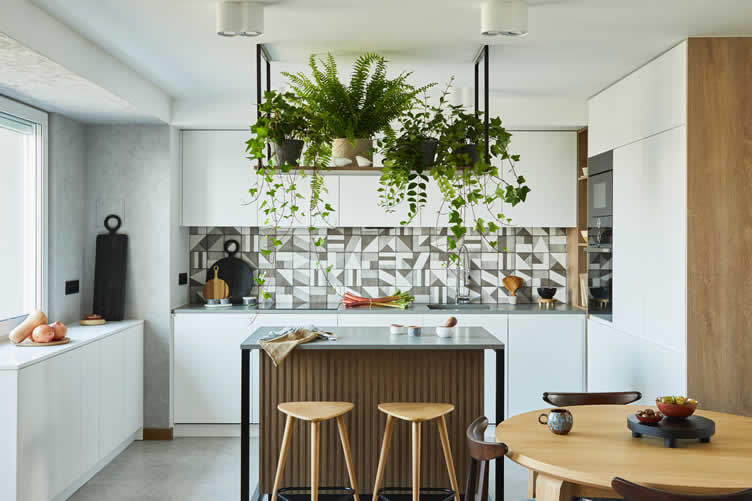
Designing a Comfortable Eating Space
Where you eat matters almost as much as what you eat. A comfortable, inviting spot—whether it’s a kitchen table, a cozy breakfast nook, or a few stools at the counter—encourages you to sit down and actually enjoy a meal instead of eating standing up over the sink.
Minimize distractions in this space where possible. A table cleared of paperwork and screens invites mindful eating, which research consistently links to better digestion and a stronger sense of satisfaction after meals. Comfort here isn’t indulgent; it reinforces the idea that mealtimes deserve attention and care.
Organizing Food Storage Around Actual Meals
Pantries and refrigerators work best when they reflect how your household actually eats, not an idealized version of it. Take stock of the meals you prepare most often and arrange your storage so those ingredients sit at eye level, front and center.
Items you rarely use can move to higher shelves or the back of the fridge, while weeknight staples stay within easy reach. This kind of intentional organization shortens the mental distance between “I’m hungry” and “dinner is ready,” which matters most on low-energy days when motivation to cook is already limited.
-
Revisit storage as habits change
Meal patterns shift with the seasons, busy work periods, or new routines. A quick reorganization every few months keeps your kitchen aligned with how you actually live, rather than how you lived a year ago.
Kitchen Design as a Self-Care Investment
Mental-health-friendly home design isn’t only about creating peaceful corners for rest—it’s about removing everyday barriers to the habits that keep us well. A kitchen that supports easy meal preparation and consistent hydration turns a daily chore into a small act of self-care, repeated meal after meal.
You don’t need a full renovation to see the benefit. Start with one change—clearing a prep counter, setting up a visible water station, or reorganizing a single shelf—and build from there. Each adjustment lowers the friction between you and the basic care your body and mind rely on every day.
Frequently Asked Questions
-
Does kitchen organization really affect mental health?
Yes. NIMH includes regular, balanced meals and proper hydration among its self-care recommendations. A kitchen that makes these habits easier to maintain supports the routines tied to emotional and physical wellbeing.
-
What is the most important first step in redesigning a kitchen for mental wellness?
Start with a clear, dedicated food preparation counter. This single change reduces the friction that often discourages people from cooking in the first place.
-
Do I need to renovate my kitchen to see these benefits?
No. Most of these changes—reorganizing drawers, setting up a water station, clearing counter space—require reorganization rather than construction, and can be done over a weekend.
-
How can I make hydration part of my daily routine?
Place a filtered pitcher, water dispenser, or reusable bottle somewhere visible, alongside glasses, so reaching for water takes no extra effort.
-
What should I keep in my easy-access cooking tool storage?
Keep the utensils, pots, and pans you use most often—spatulas, your primary cutting board, a favorite skillet—within arm’s reach of your preparation area.
-
How often should I reorganize my food storage?
Revisit your pantry and refrigerator organization every few months, or whenever your household’s meal patterns change significantly.
-
Is a dedicated eating space necessary if I have limited room?
Even a small, clear counter spot with a stool can serve this purpose. The goal is a distraction-free place to sit and eat, not a large dining room.
-
Can these kitchen changes help if I struggle with motivation to cook?
Yes. Reducing the number of steps and decisions required to prepare a meal makes it more likely you’ll follow through, especially on low-energy days.
-
Who benefits most from a mental-health-friendly kitchen layout?
Anyone managing stress, low energy, or busy schedules can benefit, since these layouts are designed to lower the everyday effort required for basic self-care.
-
Where can I learn more about NIMH’s self-care recommendations?
The National Institute of Mental Health publishes guidance on self-care practices, including nutrition and hydration, through its official resources on caring for your mental health.
References
This article is for educational purposes only and is not a substitute for professional medical or mental health advice. Please consult a qualified healthcare provider for guidance specific to your situation.
| Section | Description | Key Points |
|---|---|---|
| Why Kitchen Design Matters for Mental Health | Explains how regular meals and hydration are core self-care habits and the role of kitchens in supporting these routines. | Self-care includes meals and hydration; cluttered kitchens add friction to healthy habits. |
| Creating an Accessible Food Preparation Area | Highlights the importance of having a clear, dedicated meal prep space for ease and efficiency in cooking. | Reserve clutter-free zones; keep essentials near the prep area; prioritize ergonomic working heights. |
| Organizing Cooking Tools for Easy Access | Focuses on arranging tools and equipment logically to streamline cooking and reduce decision fatigue. | Store commonly used tools nearby; use dividers and hooks; visibility encourages usage. |
| Establishing a Dedicated Hydration Station | Encourages setting up a specific area for water to promote hydration habits. | Keep water and glasses accessible; turns hydration into a natural routine. |
| Designing a Comfortable Eating Space | Discusses the importance of having an inviting and distraction-free spot for meals. | Comfort supports mindful eating; clear tables encourage mealtime focus. |
| Organizing Food Storage Around Actual Meals | Details how tailored food storage supports efficient and stress-free meal preparation. | Keep staples accessible; adapt storage based on changing habits and routines. |
| Kitchen Design as a Self-Care Investment | Summarizes how intentional kitchen design supports mental health through daily ease and functionality. | Small changes like clearing counters or reorganizing shelves can meaningfully improve routines. |

Licensed Image Credit: kitchen design supports mental health by envato.com | by envato.com
end of post … please share it!