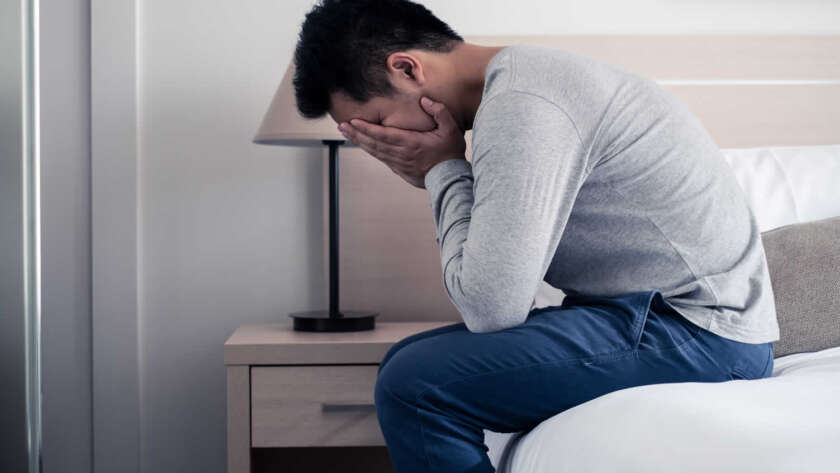
Quick Answer: Regular exercise can meaningfully ease symptoms of depression and anxiety by influencing mood-regulating brain chemistry, lowering stress hormones, and improving sleep and self-efficacy. Aerobic activity, strength training, yoga, and mindful movement all show benefit, but exercise works best alongside—not instead of—therapy or medication for most people. Please note that the content below is…

Quick Answer: Temperance is the practice of moderation and self-control over thoughts, emotions, and actions. Research shows that people who practice temperance report stronger emotional regulation, lower anxiety, and higher overall psychological functioning. Building a temperance practice—through mindful habits, balanced routines, and self-awareness—offers a sustainable path toward better mental health. Please note that the content…
Quick Answer: A sensory garden is a planted space designed to engage sight, smell, touch, sound, and taste, and research shows these environments meaningfully reduce stress, anxiety, and depressive symptoms. A 2022 meta-analysis of 18 clinical trials found horticultural therapy has a significant positive effect on mental health, making sensory gardens a valuable, evidence-backed addition…
Quick Answer: Physical exercise is one of the most consistently supported tools for improving mental health, with strong evidence for reducing symptoms of depression and anxiety, though its effects vary by condition and person. Aerobic exercise tends to offer the biggest boost, while strength training, yoga, and low-impact movement each bring their own unique advantages.…
Quick Answer: Loneliness eases when you take small, intentional steps toward connection—rebuilding social ties after loss, creating daily rituals, volunteering, and practicing self-compassion. It is a common, manageable feeling, not a permanent state, and reaching out is the first and most powerful move. Please note that the content below is for informational purposes only and…
Quick Answer: Anxiety disrupts sleep by triggering the body's fight-or-flight response, elevating cortisol and adrenaline, causing physical tension and racing thoughts that prevent restful sleep. Evidence-based strategies—particularly cognitive behavioral therapy for insomnia (CBT-I) and relaxation techniques—can significantly reduce anxiety's impact on sleep quality. Please note that the content below is for informational purposes only and…